
 SERVING ANTHEM & SURROUNDING AREAS
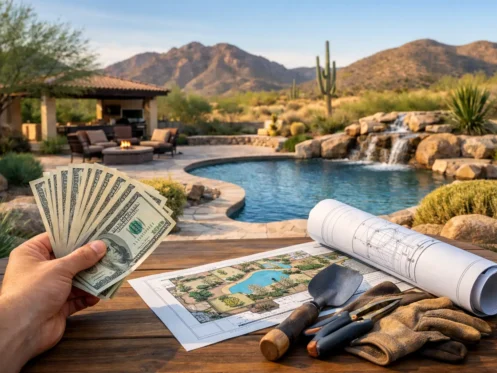
If you are asking how much does landscape design and installation cost, you are probably already past the daydream stage. You are looking at a bare backyard, an aging front yard, or a property that needs a more polished, usable outdoor space – and you want real numbers that make sense before you commit.
The honest answer is that landscape pricing can vary widely. In North Phoenix and Anthem, some smaller refresh projects may start in the low thousands, while full-property landscape design and installation can reach tens of thousands depending on size, materials, grading, irrigation needs, and the features you want built into the plan. The key is understanding what you are actually paying for, because good landscape work is not just about plants and rock. It is about drainage, water efficiency, function, durability, and making the space fit the way you live.
How much does landscape design and installation cost in Arizona?
For a basic starting point, many homeowners spend around $5,000 to $15,000 for smaller landscape improvements such as refreshed planting, new gravel, simple irrigation updates, and a limited design scope. Mid-range projects often land between $15,000 and $40,000 when they include multiple zones, upgraded materials, lighting, turf, pavers, or more extensive plantings. Larger custom backyards with entertainment areas, outdoor kitchens, fire features, putting greens, deck remodels, or major grading can easily move beyond $40,000 and sometimes much higher.
That range is broad for a reason. A front-yard makeover with desert-adapted plantings is a very different job than a full backyard build that includes hardscape, irrigation, lighting, and several outdoor living features. Both are landscape projects, but they involve different levels of labor, planning, and construction.
In Arizona, pricing is also shaped by climate-specific needs. Heat, sun exposure, drainage after monsoon storms, and water-use goals all affect the design and the installation methods. A landscape that looks good for a season is one thing. A landscape that performs well year after year is another.
What drives landscape design and installation cost?
The biggest factor is scope. A project that only updates surface materials and plant placement will cost far less than one that changes elevation, removes old concrete, reroutes irrigation, or adds built features. Homeowners sometimes compare two quotes without realizing one includes full site prep and irrigation correction while the other only covers visible finish work.
Materials also have a major impact. Decorative rock, boulders, pavers, artificial turf, premium specimen plants, steel edging, low-voltage lighting, and custom masonry all come at different price points. Some choices save money upfront but require more maintenance later. Others cost more initially but create a cleaner finish and lower long-term upkeep.
Labor matters too, especially when craftsmanship shows in the final result. Proper base prep under pavers, correct turf installation, plant placement that accounts for growth, and irrigation zoning that matches sun exposure are the details that separate a project that lasts from one that starts showing problems early.
Then there is design itself. A thoughtful design is not just a sketch. It is the planning stage that helps avoid expensive changes during construction. It can include layout decisions, traffic flow, plant selection, irrigation planning, lighting placement, and the relationship between softscape and hardscape. Design fees may be billed separately or folded into the total project depending on the contractor and the size of the job.
Typical project ranges by type
A simple curb-appeal project may involve removing overgrown material, updating gravel, installing a few accent plants, adjusting irrigation, and cleaning up the layout. That kind of work often stays at the lower end of the range.
A more complete residential redesign usually adds complexity. If you are installing pavers for a patio or walkway, adding lighting, introducing artificial turf, and rebuilding planting areas, you are moving into a mid-range investment. This is where many homeowners see the best balance between visual impact and practical use.
A full backyard transformation is typically the highest-cost category. If the project includes a putting green, outdoor kitchen, fireplace, pool deck remodel, retaining walls, shade structures, drainage work, and upgraded irrigation, the total can rise quickly. The upside is that these projects can completely change how the property is used and how much maintenance it requires.
Commercial properties follow a similar pattern, but pricing is often tied to scale, access, code requirements, and the need for durable, lower-maintenance solutions. A property manager may be less concerned with a dramatic focal point and more concerned with irrigation performance, clean lines, and a consistently professional appearance.
Design cost versus installation cost
One of the most common questions behind how much does landscape design and installation cost is whether design and installation should be treated as separate numbers. In many cases, yes.
Design is the planning investment. Installation is the construction investment. A professional design may represent a relatively small percentage of the total project, but it often saves money by reducing guesswork, preventing rework, and helping everyone stay aligned on the result.
For smaller jobs, design might be simple and built into the proposal process. For larger or more customized projects, a dedicated design phase is often the smarter route. It gives you time to make decisions before crews arrive, and it gives the installer a clear roadmap.
If you receive a very low quote with little design detail, it is worth asking what is actually included. Lower pricing can sometimes mean fewer revisions, vague material allowances, or limited planning around irrigation and drainage.
Arizona-specific features that change the budget
In the Sonoran Desert, water management is a budget issue as much as an environmental one. If your current irrigation is outdated, leaking, poorly zoned, or simply not matched to the landscape, correcting it may add to the upfront cost. It can also reduce waste, improve plant health, and prevent future repairs.
Plant selection is another Arizona-specific factor. Native and desert-adapted materials can support lower water use and easier maintenance, but mature specimen cacti, large trees, and specialty plant material can increase costs. There is often a trade-off between immediate visual impact and budget.
Sun exposure affects product choice too. Turf products, lighting components, and hardscape surfaces all need to handle intense heat. Cutting corners on those materials may save money at first, but it can shorten lifespan and create avoidable replacement costs.
How to budget without overbuilding
The smartest way to approach a landscape project is to start with priorities. If your main goal is lower maintenance, that may point toward turf, simplified planting, and irrigation upgrades. If your goal is outdoor entertaining, your budget may need to favor pavers, lighting, seating areas, and built-in features.
Phasing is often a practical option. You do not have to complete every feature at once if the project is planned correctly. Many property owners start with the foundational work first – grading, irrigation, hardscape, and core planting – then add enhancements later. That approach works best when the overall design has already been thought through.
It also helps to be clear about your target investment range from the beginning. A good contractor can guide material choices and scope based on that number. Without a realistic budget discussion, it is easy to spend time designing something that does not align with what you want to invest.
What a quote should include
A reliable quote should make it easier to understand the work, not harder. You should be able to see the main elements of the project, the materials being used, and whether irrigation, demo, site prep, haul-away, and cleanup are included. If allowances are being used for certain finishes, that should be clear too.
Communication matters here. A detailed quote often reflects a more organized installation process. That does not mean every quote needs to be overly complicated, but it should answer the obvious questions before the work begins.
For homeowners and property managers in North Phoenix-area communities, that clarity becomes even more valuable when the project involves multiple services. If one company can handle design, installation, irrigation work, and ongoing maintenance, it often creates fewer gaps between the plan and the long-term care of the property.
Paying more can save money later
The lowest number is not always the best value. A landscape that is installed without proper drainage, base preparation, or irrigation planning can become more expensive over time through repairs, plant loss, water waste, and premature wear.
That is why experience, licensing, and responsiveness matter. A contractor who communicates clearly, shows attention to detail, and stands behind the work is often protecting your investment in ways that are not obvious on day one. For many Arizona property owners, that peace of mind is part of the value.
At SonoranScapes, we see the best outcomes when customers treat landscape work as both a visual upgrade and a functional property improvement. The design should look good, but it should also hold up, irrigate properly, and make the property easier to enjoy.
If you are pricing your project now, the best next step is not chasing an average number online. It is getting a quote built around your property, your priorities, and the way you want the space to perform. A good landscape plan should fit your budget, your maintenance expectations, and your long-term goals – not just the photo you liked at first glance.