
 SERVING ANTHEM & SURROUNDING AREAS
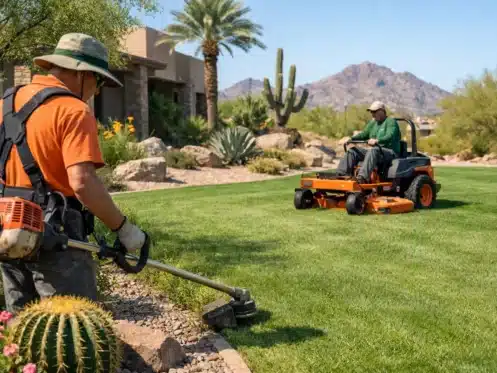
A great-looking property rarely stays that way by accident. The difference is usually a plan – not just occasional cleanup, but landscape maintenance programs built around the way a property is actually used, the season it is in, and the issues most likely to cause trouble if nobody catches them early.
For homeowners, that means protecting curb appeal, plant health, lighting, drainage, and outdoor living areas without constantly chasing small problems. For commercial properties, it means presenting a clean, cared-for exterior that reflects well on the business and avoids the slow decline that tenants, customers, and visitors notice long before anyone says it out loud.
What landscape maintenance programs are really meant to do
The phrase can sound simple, but a good program is more than a recurring visit on the calendar. It is a structured approach to keeping an outdoor space attractive, functional, and predictable over time.
That matters because landscapes change constantly. Plants grow unevenly. Ground cover thins out. Debris builds up in corners and along edges. Storms expose weak spots. Minor wear around pavers, lighting, or planting beds can slowly turn into larger repair needs if nobody is paying attention.
A well-run program creates consistency. Instead of reacting only when something looks bad, the property gets regular professional attention that keeps the entire space moving in the right direction. That often leads to better appearance, fewer surprise issues, and steadier long-term costs.
Why landscape maintenance programs save money over time
It is easy to think of ongoing service as just another monthly expense. In practice, it often helps control bigger costs.
The most expensive outdoor problems usually do not start as major failures. They start small. A bed edge begins to break down. Plant material gets crowded and stressed. Decorative surfaces collect debris and stain. Visibility around entry points starts to look neglected. None of that feels urgent at first, but once the property slips, restoring it usually costs more than keeping it in shape in the first place.
This is especially true on larger residential properties and commercial sites where presentation matters every day. Deferred care has a way of compounding. What could have been corrected with routine attention may later require heavier cleanup, replacement work, or a broader refresh.
That does not mean every property needs the same service frequency or scope. Some need close attention year-round. Others may need a lighter plan with seasonal adjustments. The key is matching the program to the property instead of forcing the property into a generic package.
What to look for in landscape maintenance programs
Not all programs are built the same, and that shows up quickly once service begins. The strongest programs are defined clearly, communicated well, and supported by a company that understands both visual quality and the functional systems tied to the landscape.
A reliable provider should be able to explain what is included, what is monitored, how often the site is serviced, and what happens when a problem is spotted outside the normal scope. That last point matters more than many property owners realize. A nice-looking visit is one thing. Noticing early signs of wear, damage, or declining performance is what turns recurring service into real value.
Communication is another major difference. Property owners and managers want to know that if something changes on-site, someone will respond and follow through. A program feels much more useful when it comes with professionalism, schedule reliability, and clear updates instead of guesswork.
A good program should fit the property, not the other way around
This is where experience matters. A front yard designed for curb appeal has different priorities than a backyard built around entertaining. A retail center has different expectations than an HOA entrance or an office property. Even two homes in the same neighborhood can need different service plans depending on plant selection, hardscape features, exposure, and how often the owners are present.
Seasonal residents and snowbirds often need an extra level of trust and accountability. If a property sits empty for part of the year, ongoing care is not just about appearance. It is about making sure the landscape stays orderly, problems are noticed early, and the home still looks cared for while the owner is away.
For commercial properties, consistency is often the priority. The site needs to look intentional week after week, not excellent one month and overlooked the next. That kind of steadiness only happens when the program is organized around routine standards and follow-up.
Where maintenance programs often fall short
The biggest weakness in many landscape maintenance programs is that they become too mechanical. The crew shows up, performs the same visible tasks, and leaves without thinking much about the property as a whole.
That can keep things passable for a while, but it rarely protects the investment. Outdoor spaces are dynamic. Features age differently. Plant material responds to weather, shade, and use patterns. A high-traffic area may need more attention than the original plan assumed. A lower-visibility area may hide problems until they are expensive to address.
Another common issue is poor documentation and weak communication. If the service provider notices something unusual but does not report it clearly, the owner loses the chance to make a timely decision. The result is frustration on both sides – the contractor assumes the issue was seen, and the customer assumes no issue existed.
This is why relationship-based service tends to outperform basic vendor scheduling. When the provider knows the property, understands the owner’s priorities, and treats the work as long-term stewardship, the program becomes much more effective.
How landscape maintenance programs support property value
Most property owners do not need their landscape to win awards. They need it to hold up, look cared for, and support the value of the property.
That value shows up in a few ways. First, there is visual value. A clean, well-kept exterior creates a stronger first impression and makes improvements like pavers, lighting, turf, and planting design look like the investment they were meant to be.
Second, there is practical value. Ongoing care helps preserve the usability of outdoor areas by keeping spaces tidy, inviting, and easier to enjoy. Backyards feel more ready for guests. Front entries feel more polished. Commercial properties feel more professional.
Third, there is protective value. When a contractor with broad outdoor experience is on-site regularly, it is easier to catch concerns before they affect the larger property. That is especially useful for owners who want one dependable partner instead of juggling separate providers every time something needs attention.
Choosing a provider for long-term results
A good fit comes down to more than price. Responsiveness, consistency, and attention to detail matter just as much because those are the things that determine how the property actually looks and how smoothly service goes month after month.
Ask practical questions. Is the scope clearly defined? Does the company communicate well? Are they set up to handle both routine service and related outdoor repairs when needed? Do they understand the standards expected for residential and commercial properties? Can they adjust the program as the property changes?
The best answer is usually not the cheapest one or the most aggressive sales pitch. It is the provider that treats the relationship seriously, shows up consistently, and understands that outdoor spaces need both craftsmanship and follow-through.
For many property owners, that is the real purpose of landscape maintenance programs. They create peace of mind. Instead of watching for every small issue yourself, you have a dependable system in place and a team that knows what good property care is supposed to look like.
If your outdoor space matters to how your home feels, how your business presents itself, or how well your investment holds up over time, a thoughtful program is not extra. It is part of protecting what you have already built – and making sure it keeps looking the part.